
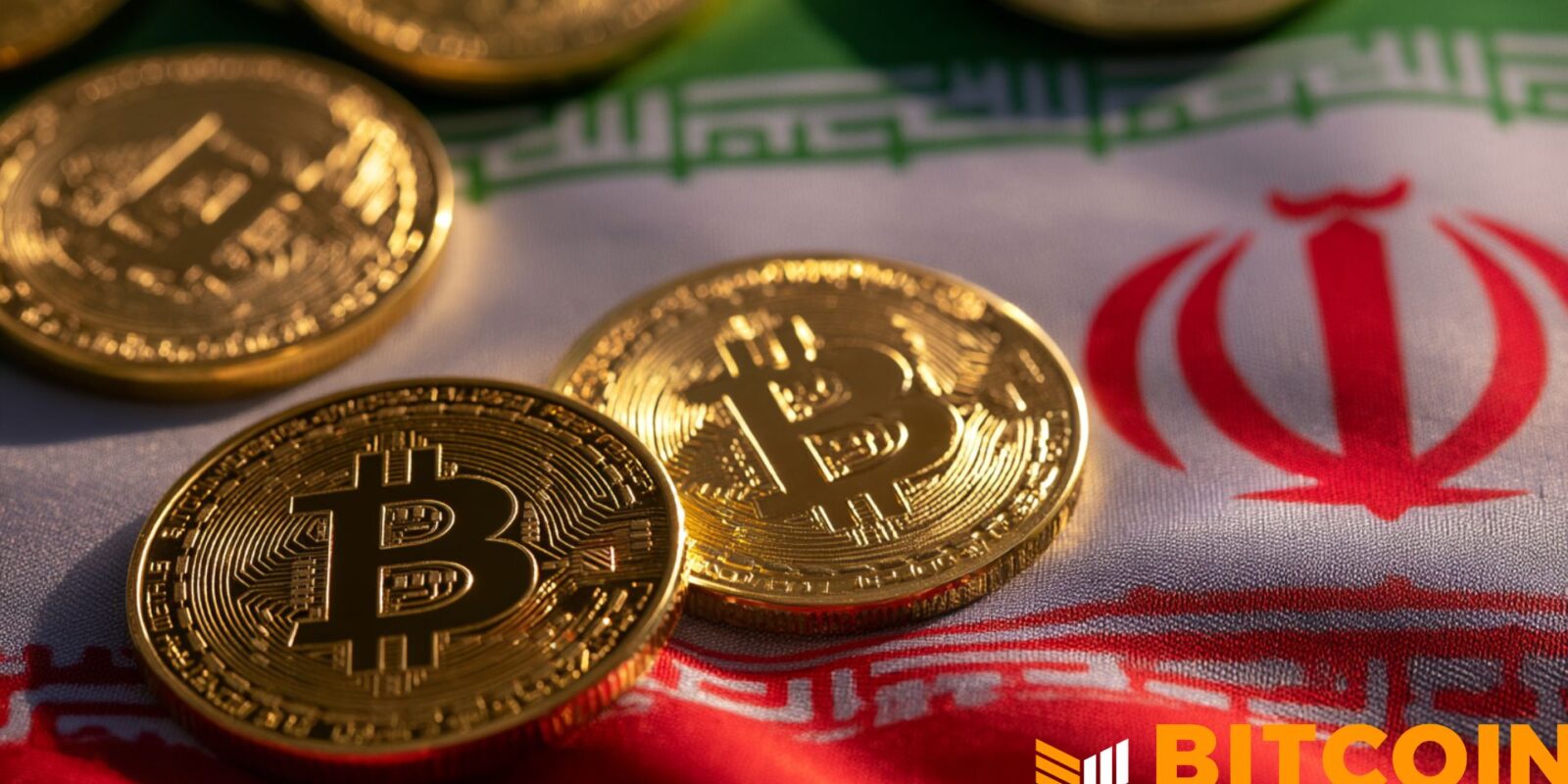
The United States government has ramped up its crackdown on Tehran’s financial networks, designating the Iranian cryptocurrency exchange BitBank as a sanctioned entity. Part of a broader initiative known as Operation Economic Outcast, the move aims to dismantle the digital infrastructure Iran uses to evade long standing economic penalties. Treasury Secretary Scott Bessent warned that any attempts to finance the Iranian regime through digital assets remain well within the reach of federal regulators, asserting that those supporting the administration will face severe consequences.
According to officials, BitBank served as a critical node for moving bitcoin to the Iranian regime via the Hormuz Safe Marine Services Authority starting in June. These sanctions specifically target a complex laundering architecture established by designated financier Babak Zanjani, his software developer Pishtaz Simorgh Electronic Trade Company, and several close associates. By targeting these individuals and their technical tools, the Treasury hopes to sever the ties between legitimate global markets and state sponsored money laundering operations.
This latest action highlights a growing cat and mouse game over how Iran utilizes blockchain technology to survive under pressure. Earlier this year, Tehran launched a bitcoin backed insurance service for its national shipping companies and began accepting digital payments from vessels transiting through the strategic Strait of Hormuz. While the U.S. was able to freeze certain holdings tied to stablecoins like Tether because they have centralized issuers, bitcoin presents a greater challenge due to its decentralized nature.
Moving forward, the Treasury Department indicated it will continue to monitor both domestic Iranian ecosystems and any international actors facilitating them. The shift toward digital currencies represents a calculated effort by Iran to sidestep traditional banking systems where U.S. influence is strongest. However, Washington appears determined to prove that even decentralized assets leave footprints that can lead back to sanctioned regimes and their facilitators.